Introduction
Wound care is a crucial element of nursing that requires specialized knowledge and abilities. As healthcare continues to develop, so do the approaches to wound care training. This post will delve into cutting-edge approaches in wound care training courses, highlighting the value of thorough education and learning for nurses and experts. With persistent injuries impacting millions worldwide, understanding the most up to date techniques can significantly improve client outcomes.
Wound Care Specialist Training: An Overview
What Is Wound Treatment Professional Training?
Wound care expert training outfits healthcare specialists with sophisticated understanding and skills required to handle complicated wounds properly. This training exceeds fundamental wound management, diving deep right into various factors affecting injury recovery, such as person physiology and ecological conditions.
Core Competencies in Injury Care Specialist Training
Assessment Skills- Understanding different sorts of wounds Recognizing indications of infection
- Application of different dressings Use of sophisticated treatments like adverse pressure injury therapy
- Teaching clients about self-care Addressing way of life adjustments that promote healing
- Working with various other medical care experts Coordinating care prepare for complex cases
Wound Treatment Educating for Registered Nurses: Why It Matters
The Role of Registered nurses in Wound Management
Nurses are on the cutting edge of individual treatment, making their duty in injury administration vital. They are commonly in charge of initial assessments and ongoing treatment, making adequate training essential.
Benefits of Specialized Wound Care Training for Nurses
- Enhances scientific judgment and decision-making skills. Improves client outcomes with evidence-based practices. Increases task contentment by equipping registered nurses with knowledge.
Wound Care Training Courses: Kinds and Formats
Overview of Available Wound Care Training Courses
Wound care training programs vary extensively in web content and shipment approaches:
Online Courses
- Flexible discovering at one's very own pace.
- Hands-on experience with specialist instructors.
- Combination of online concept and functional workshops.
Key Topics Covered in Wound Care Training Courses
- Anatomy and physiology pertaining to wound healing Techniques for assessing injury severity Treatment options for acute vs. persistent wounds Infection control measures
Wound Treatment Nurse Training: A Path to Expertise
Specialization in Injury Care Nursing
Becoming a specialized injury treatment registered nurse entails rigorous training focused on both academic knowledge and sensible abilities required for efficient wound management.
Certification Alternatives for Wound Treatment Nurses
Many organizations provide certification programs that validate know-how:
- Certified Wound Professional (CWS) Certified Wound Treatment Nurse (CWCN)
These qualifications not just enhance integrity but also open doors to advanced technique roles.
Basic Wound Care Training: Principles Every Nurse Ought To Know
Foundational Abilities in Standard Wound Treatment Training
Every registered nurse must possess standard wound care skills prior to taking on extra intricate situations. These foundational skills include:
Proper cleansing techniques Application of dressings Identifying early indications of complicationsImportance of Constant Learning in Standard Wound Care
The field is constantly evolving; consequently, staying updated with workshops or online programs makes sure top quality care delivery.
Complex Wound Care: Recognizing the Challenges
Defining Complex Wounds
Complex injuries normally include numerous elements such as co-morbidities, extended healing times, or particular physiological obstacles that make complex treatment.
Strategies for Handling Facility Injuries Effectively
Effective monitoring consists of:
- Comprehensive analysis strategies Multidisciplinary strategies including dietitians, physiotherapists, etc. Utilization of sophisticated technologies such as bioengineered skin substitutes
Chronic Wound Care Management: Ideal Practices
Identifying Persistent Injuries Early On
Chronic wounds are defined as those failing to heal within an anticipated timeframe-- typically three months or longer-- requiring specialized interventions.

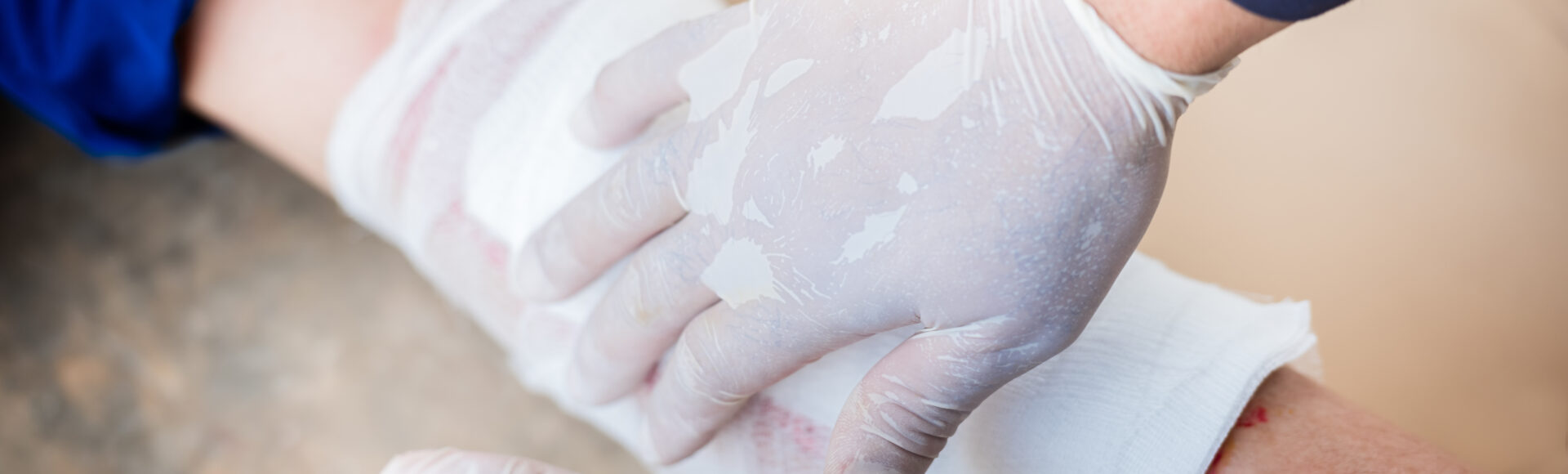
Best Practices in Persistent Wound Management
Regular surveillance and reassessment. Customized therapy strategies based upon private needs. Patient education and learning on managing underlying problems such as diabetes.NDIS Wound Care: Supporting Diverse Requirements Via Tailored Approaches
Understanding NDIS (National Impairment Insurance System)
The NDIS gives assistance to Australians with specials needs-- consisting of those needing specialized injury treatment-- ensuring they have access to required treatments.
Tailoring Interventions Under NDIS Framework
Care providers must understand how to browse the NDIS framework successfully while making certain optimal injury management customized per individual's special circumstances.
Wound Care Monitoring: Integrative Approaches
Holistic Techniques for Effective Management
Integrative strategies consider all aspects influencing a person's health and wellness-- including emotional support-- to maximize healing from wounds.
Collaboration with Other Health care Professionals
A natural group method improves the performance of treatments by merging competence from numerous fields such as nutrition, physical therapy, and work health.
Exploring Ingenious Methods in Wound Care Training Courses: Modern Technology Integration
Role of Technology in Updating Education
Technology has transformed exactly how we deliver education-- from wound care certification for nurses virtual simulations that simulate real-life situations to mobile applications that help registered nurses at the point-of-care.
Interactive Learning Platforms
Utilizing systems providing simulations can assist learners exercise decision-making circumstances without risk to individuals-- a key advantage when grasping complex treatments associated with persistent wound care management.
Emerging Fads in Wound Care Education And Learning Programs
Adapting Curriculum Based upon Evidence-Based Practices
Keeping educational program straightened with current study ensures participants receive pertinent details suitable directly to their professional settings.
Example:
Recent researches recommend integrating telemedicine appointments right into traditional academic structures can boost finding out end results significantly!
Challenges Dealt with by Participants Throughout Educating Programs
While involving with these ingenious courses provides various advantages, individuals often deal with challenges such as time constraints due to function commitments or trouble comprehending innovative concepts without appropriate prior knowledge base-- leading teachers consistently look for ways around these barriers!
FAQs About Cutting-edge Strategies in Wound Care Training Courses
What credentials do I need for specialized wound treatment training? To qualify for specific programs, you usually require a nursing degree along with some clinical experience in medical care settings concentrating on injury management practices.
How long does it take to complete an extensive course? Course periods vary widely relying on style; on-line training courses may extend a number of weeks while extensive workshops can last simply days or even hours!
Are there any type of financial support options available? Various scholarships exist targeting proceeding education within nursing careers; additionally company sponsorship might cover program fees entirely!
Can I pursue certification without formal training? While some certifications require certain coursework completion beforehand-- most anticipate candidates possess significant practical direct exposure prior to attempting exams successfully!
How usually must I go after added training opportunities? Continuous expert development is essential! Involving annually at minimal maintains you abreast developments happening throughout this dynamic area consistently!

What influence does ingenious modern technology have on learning outcomes? Modern technology enhances interactivity within educational settings leading researches suggesting enhanced retention rates amongst individuals involved using simulation exercises compared standard lecture styles alone!
Conclusion
As we explore innovative methods in wound care training courses, it's clear that investing time and resources right into correct education pays enormous rewards-- not only for medical care specialists yet eventually improving person end results significantly! By welcoming developments like modern technology assimilation along with foundational proficiencies showed during first phases; future experts will certainly discover themselves well-appointed take on also most challenging cases with confidence! So whether you're launching journey end up being accredited professional nurse excited increase repertoire skillsets-- keep in mind constantly prioritize recurring knowing make sure ideal high quality delivered each and every single day!